
ENERGYNEST: Thermal storage for a sustainable industrial future in the Benelux
Interview with Carlijn Lahaye after her first year as Managing Director of ENERGYNEST BV in the Netherlands



Interview with Carlijn Lahaye after her first year as Managing Director of ENERGYNEST BV in the Netherlands
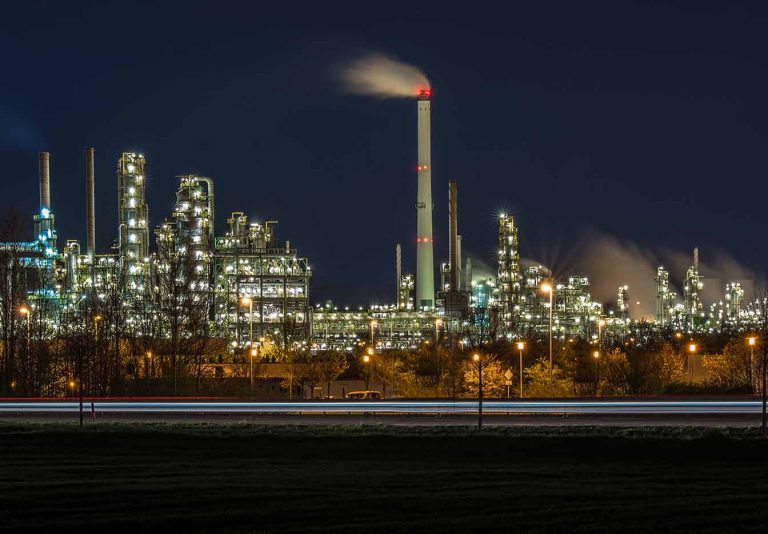
As part of emissions trading, companies can save costs directly by reducing their CO2 emissions: This is because the less CO2 is emitted, the fewer CO2 certificates a company needs. Here’s what you need to know.

Economic considerations play a key role in the switch to a renewable energy supply. With thermal energy storage systems such as the ThermalBattery™, companies can significantly reduce their energy consumption and therefore their energy costs.
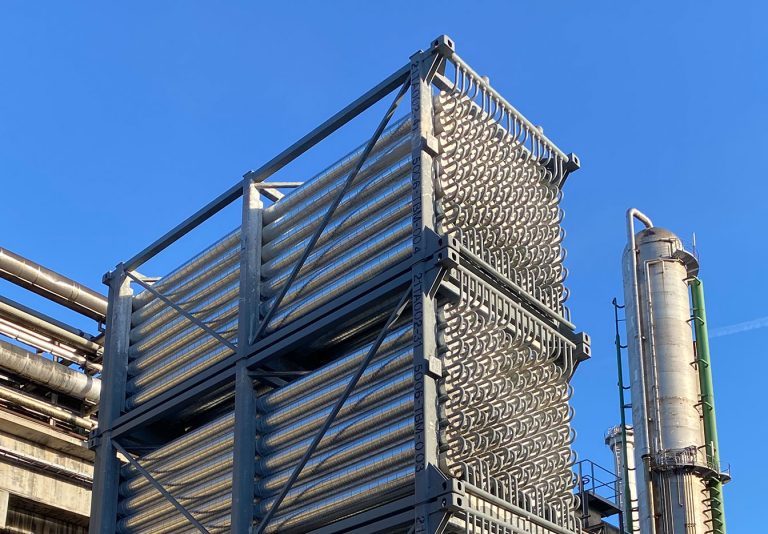
Comparison of lithium-ion batteries and ThermalBattery™ in terms of performance, service life, safety and environmental friendliness. Find out which technology is best suited to your industrial requirements.

Guest article and interview with ENERGYNEST CEO Christian Thiel in “GET – GREEN EFFICIENT TECHNOLOGIES”
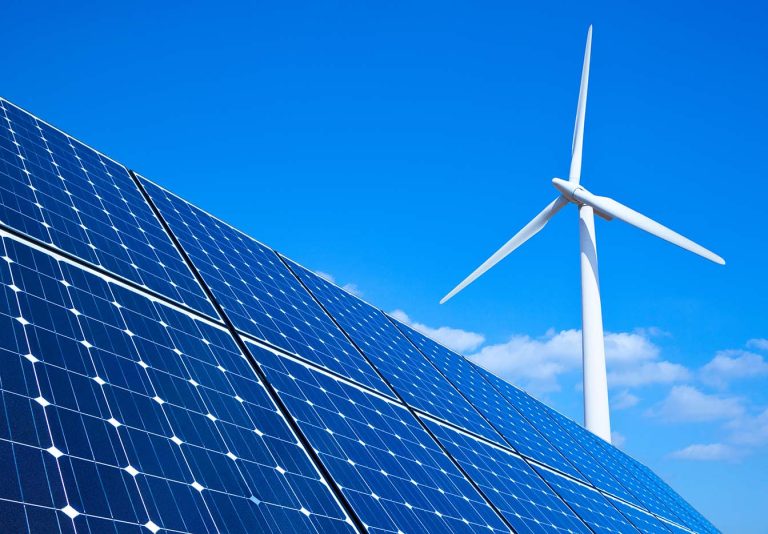
Switching to renewable energy not only offers companies numerous advantages, the transition also harbours a number of challenges. Comprehensive and forward-looking planning is therefore key.
“inspiratia sat down with ENERGYNEST’s CEO Christian Thiel to discuss the potential of thermal battery storage, its scalability, its distinct advantages, and the critical role of government support in driving its widespread adoption.”

Utilising renewable energy for power-to-steam makes industrial steam generation greener and more sustainable. Companies can use this innovative approach to reduce their CO2 emissions and cut their operating costs at the same time.
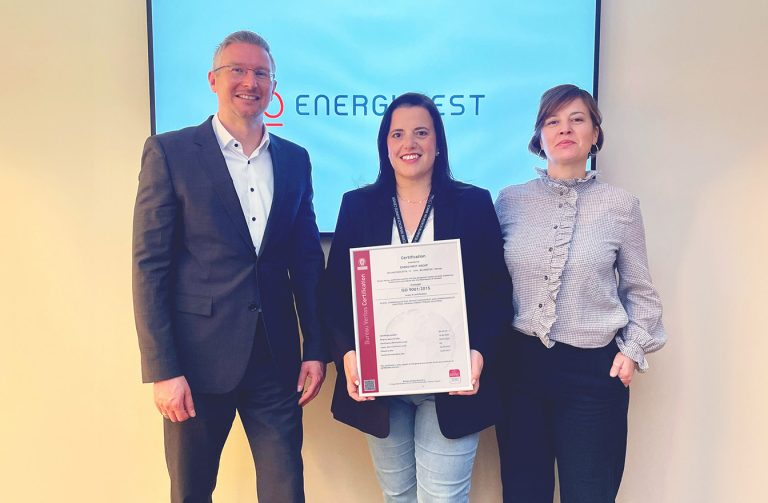
With ISO certification for its own quality management system, ENERGYNEST continues to strive to maintain the highest standards and continuously improve its internal processes.

“Start-ups turn to heat over batteries as they aim to industrialise the practice”
Interview with Carlijn Lahaye after her first year as Managing Director of ENERGYNEST BV in the Netherlands
As part of emissions trading, companies can save costs directly by reducing their CO2 emissions: This is because the less CO2 is emitted, the fewer CO2 certificates a company needs. Here’s what you need to know.
Economic considerations play a key role in the switch to a renewable energy supply. With thermal energy storage systems such as the ThermalBattery™, companies can significantly reduce their energy consumption and therefore their energy costs.
Comparison of lithium-ion batteries and ThermalBattery™ in terms of performance, service life, safety and environmental friendliness. Find out which technology is best suited to your industrial requirements.
Guest article and interview with ENERGYNEST CEO Christian Thiel in “GET – GREEN EFFICIENT TECHNOLOGIES”
Switching to renewable energy not only offers companies numerous advantages, the transition also harbours a number of challenges. Comprehensive and forward-looking planning is therefore key.
“inspiratia sat down with ENERGYNEST’s CEO Christian Thiel to discuss the potential of thermal battery storage, its scalability, its distinct advantages, and the critical role of government support in driving its widespread adoption.”
Utilising renewable energy for power-to-steam makes industrial steam generation greener and more sustainable. Companies can use this innovative approach to reduce their CO2 emissions and cut their operating costs at the same time.
With ISO certification for its own quality management system, ENERGYNEST continues to strive to maintain the highest standards and continuously improve its internal processes.
“Start-ups turn to heat over batteries as they aim to industrialise the practice”



